Access challenges for Hackney estate removals and solutions
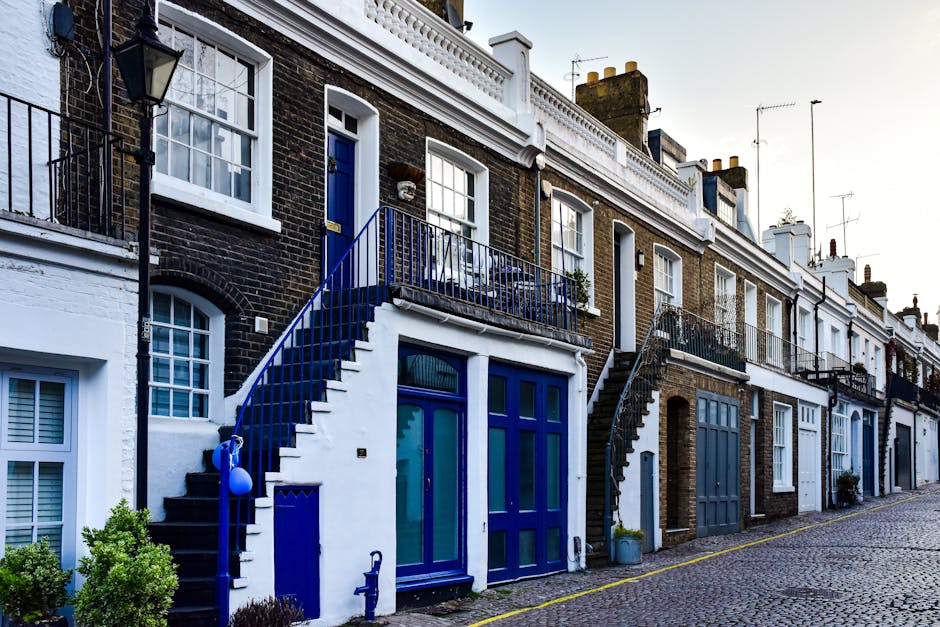
Moving home or office in Hackney can feel straightforward on paper, then suddenly turn into a puzzle of stairwells, tight turning circles, parking pressure, lift restrictions, and awkward front doors that seem designed by someone who never had to move a wardrobe. That is exactly why Access challenges for Hackney estate removals and solutions deserve proper planning, not just a hopeful van and a few strong arms.
In Hackney, many estates combine older layouts, shared entrances, controlled parking, narrow internal corridors, and busy streets with very little forgiveness on moving day. The good news? Most access issues can be managed with the right preparation, the right vehicle, and a realistic plan. This guide walks through the common problems, the practical fixes, and the small details that save time, money, and stress.
If you are comparing options for a move, it may also help to look at broader services such as house removals, flat removals, or man and van support, depending on the size and complexity of the job.
Why access challenges for Hackney estate removals and solutions Matters
Access is one of those things people only really think about once a sofa has stopped halfway down a stairwell. In Hackney estates, that can happen faster than you would expect. A move may look easy from the outside, but once you factor in loading bays, shared walkways, internal doors, lift size, security gates, and on-street parking, the whole operation can change shape.
Why does this matter so much? Because access issues affect almost every part of the move: timing, labour, vehicle size, packing choices, and even whether certain items can move in one piece. A move that is poorly matched to the site often takes longer, costs more, and feels a lot more chaotic. To be fair, that extra friction is rarely about bad luck. It is usually about missing information.
Hackney also has a mix of property types. You may be dealing with a modern block with lift booking rules in the morning, then a low-rise estate with a tight service road in the afternoon. The approach has to flex. That is where an experienced team, clear pre-move checks, and sensible backup options make the difference.
Expert summary: in estate removals, access planning is not a side issue. It is the job. Get access right early and the rest becomes dramatically easier.
How access challenges for Hackney estate removals and solutions Works
The practical process starts with understanding the property and the route, not the boxes. A good removal plan usually begins with questions like: Can a van stop close to the entrance? Is there a lift, and if so, how big is it? Are there stairs, narrow bends, or shared landings? Can the vehicle stay parked long enough to load without a ticket or complaint? These sound basic, but they are the details that decide how the move unfolds.
From there, the move is shaped around the reality of the site. Sometimes the solution is a smaller vehicle that can park closer. Sometimes it is a larger vehicle with a shuttle system, where items are moved in stages from flat to van. Sometimes it is simple, practical packing: taking apart beds, removing table legs, and using the right protective wrapping so awkward items can pass through doorways without damage.
In many Hackney estate moves, the smartest solution is a mix of planning and flexibility. You might reserve an arrival window early in the day, book extra time for loading, and assign a separate person to manage keys, doors, and lift access. That may sound a little fussy. It is not. It is what keeps everything moving when the corridor is suddenly full of neighbours, prams, and a recycling bin that has wandered into the wrong place.
If the move is part of a larger home relocation, it can also help to combine access planning with home moves support or a more compact removal van setup, especially where speed and manoeuvrability matter more than volume.
Key Benefits and Practical Advantages
Planning around access challenges is not just about avoiding problems. It actually improves the move in ways people notice immediately.
- Less wasted time: when the vehicle and route match the property, loading becomes smoother and faster.
- Lower risk of damage: fewer tight squeezes means fewer knocks on walls, banisters, and furniture edges.
- Less stress for residents and neighbours: quieter, quicker moves are simply easier for everyone in the building.
- Better cost control: delays, extra labour, and repeated trips can all push a move beyond the original plan.
- More suitable vehicle choice: not every job needs the same setup. Some estate moves are perfect for a smaller van; others need a larger moving truck.
There is also a confidence factor. Once access is mapped properly, you can pack and label with more purpose. Fragile items are placed where they can be reached easily. Heavy furniture is dismantled in advance. Boxes are arranged so the first load does not become the last-minute scramble. That alone can take a huge amount of pressure off moving day.
Who This Is For and When It Makes Sense
This kind of planning is especially useful for people moving in and out of Hackney estates, but the list is broader than that.
- Flat movers dealing with upper floors, shared entrances, or lift restrictions.
- Families who need a structured move with children, buggies, or bulky household furniture.
- Students moving with limited items but tight deadlines and awkward building access.
- Landlords and letting agents coordinating tenant check-outs and replacements.
- Office managers moving equipment in and out of estate-based workspaces or mixed-use blocks.
- Anyone with large or delicate items, including pianos, antiques, or oversized wardrobes.
It makes sense whenever access is likely to be the main complication rather than the volume of belongings. A small move can still be difficult if the front door opens onto a narrow stairwell. Likewise, a big move can be straightforward if the vehicle can park right outside and the route is clear. The size of the property does not tell the whole story.
For example, a compact one-bed flat on an estate with a lift booking slot may be easier than a ground-floor maisonette with no nearby stopping point. Funny how that works, isn't it?
Step-by-Step Guidance
Here is the practical route we would recommend for most Hackney estate removals.
- Survey the access properly. Walk the route from the van stop to the property entrance. Note stairs, gates, lift dimensions, corners, and any obstructions.
- Measure the awkward items. Record the length, width, and height of sofas, wardrobes, beds, white goods, mirrors, and anything that might need dismantling.
- Check parking and loading options. Decide where the vehicle can stop, how long it can stay, and whether a smaller van would reduce walking distance.
- Book the right support level. If access is poor, add more labour, more time, or a second vehicle rather than hoping the day will magically behave.
- Prepare items for the route. Disassemble where needed, protect corners, remove loose shelves, and wrap anything that could snag on handrails or door frames.
- Coordinate timing. If there are lift bookings, concierge rules, or traffic-sensitive windows, build the schedule around them.
- Keep a backup plan. Have an alternative route, parking point, or storage option ready if access turns out to be tighter than expected.
The truth is, good removals often feel boring on the day because the problem-solving happened before the van arrived. That is a compliment. Boring is good. Boring means nobody is panic-lifting a wardrobe at 4:40pm while someone else is looking for a loading bay that no longer exists.
If you are deciding between different approaches, a more flexible option such as man with a van may suit lighter estate moves, while a fuller team arrangement can be better for larger family homes or multi-room flats. For heavier furniture, furniture removals may be the safer route.
Expert Tips for Better Results
These are the small habits that make a move go more smoothly. Not flashy. Just useful.
- Photograph tricky access points before move day. A quick picture of the stairwell or entrance can be worth more than a long description.
- Label items by destination room and priority. First-night items should not be buried under slow-cookers and winter coats.
- Use smaller cartons for heavier items. Estate stairwells and awkward turns do not reward overpacked boxes.
- Book elevator time generously. If you think you need thirty minutes, allow longer. The lift always seems to be busy when you are in a hurry.
- Strip furniture down early. Beds, table legs, and shelving often become the bottleneck if left too late.
- Tell neighbours and building staff in advance. It helps reduce friction and sometimes saves you from an avoidable complaint.
One simple but powerful tip: keep doors propped safely open only when it is permitted and practical. Constantly re-opening heavy doors slows the whole process and, in some buildings, creates avoidable wear and tear. Small detail, big difference.
If the move involves office equipment or a shared workspace in an estate setting, look at office removals or commercial moves support where business continuity matters as much as access.
Common Mistakes to Avoid
Access problems become much harder when people make avoidable assumptions. Here are the ones that crop up again and again.
- Assuming the van can park right outside. In Hackney, that is often the first assumption to fail.
- Ignoring lift size. A lift that fits people easily may still be awkward for a mattress or wardrobe.
- Leaving dismantling until move day. By then, the pressure is already on and the tools are usually somewhere else.
- Overfilling boxes. Heavy boxes are slower to carry and more likely to split at the worst possible moment.
- Not checking estate rules. Some buildings have loading windows, security procedures, or restrictions on where vehicles can wait.
- Booking too little time. Tight schedules feel efficient right up until the first delay hits.
There is also a communication mistake that seems minor but causes real trouble: not telling the removal team about one awkward item because you think it is "probably fine". If it is awkward, mention it. Always. The item that seems minor often turns out to be the thing that reshapes the whole plan.
Tools, Resources and Recommendations
You do not need a box full of specialist kit to manage estate access well, but a few practical tools help enormously.
- Measuring tape: essential for doors, lifts, hallways, and furniture dimensions.
- Bubble wrap and furniture blankets: useful for protecting surfaces during narrow transfers.
- Strong tape and labels: keeps the packing organised and reduces the chance of repeated handling.
- Basic toolkit: good for dismantling beds, handles, and shelving before the move begins.
- Phone camera: use it to document access points, parking signs, and the route from entrance to flat.
- Storage option: sometimes the cleanest solution is to move smaller loads first and hold the rest in storage while access timing is sorted out.
For people who want a more hands-on packing service, packing and boxes or packing and unpacking services can reduce the pressure, especially when the property layout makes repeated handling a real headache.
And yes, a label that says "kitchen - breakables - do not stack" is still useful. It is not glamorous, but it works. Every time.
Law, Compliance, Standards, or Best Practice
For removals in Hackney, the main point is not to treat compliance as a box-ticking exercise. Good practice protects people, property, and the move itself. That means careful lifting, safe handling of heavy items, awareness of shared spaces, and respect for building rules.
In the UK, removal work should generally be carried out with sensible manual handling practices, appropriate vehicle loading, and attention to health and safety duties. In practical terms, that means no one should be lifting beyond their limits, pushing furniture through spaces that are clearly too tight, or using shortcuts that could put the property at risk. When access is difficult, the right answer is usually better planning, not more force.
Insurance and clear terms matter too. If a move involves restricted access, unusual carrying distance, or items that need dismantling, the customer and the removals team should be aligned on what is included and what is not. That is one reason it helps to understand a provider's insurance and safety approach, along with their health and safety policy and terms and conditions.
For anyone moving in a building with shared access, courtesy also counts as best practice. Keep communal routes clear, avoid blocking entrances longer than necessary, and communicate early if extra time or vehicle space is needed. A calm, tidy move tends to avoid complaints, and that is not something to underestimate in close-knit estate settings.
Options, Methods, or Comparison Table
The right solution depends on the type of access issue. This comparison can help you think it through without overcomplicating things.
| Move method | Best for | Strengths | Possible drawbacks |
|---|---|---|---|
| Smaller van and shorter carry distance | Narrow estate roads, tight parking, lighter loads | Easier to manoeuvre, less pressure on access | May need more trips if the load is large |
| Full removal team with larger vehicle | Family homes, big flats, mixed furniture loads | More capacity, faster loading when access is workable | Needs better parking and route planning |
| Shuttle loading | Properties where the van cannot park very close | Useful when access is restricted but manageable | Extra handling time and labour |
| Partial dismantling before move day | Wardrobes, beds, desks, oversized items | Reduces snagging and damage risk | Needs time, tools, and good organisation |
| Short-term storage | Moves split by timing, access, or key handover | Takes pressure off one difficult day | Requires extra coordination |
For most Hackney estate moves, the best answer is a blended one. A small van alone may be too limited. A huge truck alone may be too awkward. The sweet spot is usually the setup that reduces carrying distance while still matching the size of the load.
Case Study or Real-World Example
Picture a second-floor flat in a Hackney estate with a lift that is technically available, but only just large enough for luggage and shopping trolleys. The resident has a bed frame, a sofa, a fridge, five boxes of kitchenware, and two bulky shelving units. The street outside is busy by 8am, and the nearest safe stopping point is not directly in front of the block.
In a rushed move, this could easily become messy. The sofa might be carried up and down twice. The fridge might block a landing. Someone might try to force the shelving unit through a doorway that is clearly too narrow. Then the tone changes. Quickly.
The better approach is simpler. Measure the shelving units in advance. Dismantle them. Use a van that can stop as near as possible without creating a parking problem. Move the fridge first while the route is clear. Keep the boxes grouped by room so the unloading side is efficient. If the lift is small, use it for lighter items and take larger items via a planned stair route only where safe. That is the difference between a move that feels organised and one that eats your afternoon.
In that kind of situation, many people decide to use a more flexible service level rather than a one-size-fits-all package. Sometimes the right answer is a straightforward removals service; sometimes it is a more specific arrangement such as house removalists for a fuller team approach. Either way, the real win is the same: fewer surprises and less strain on the day.
Practical Checklist
Use this before move day. It is the sort of checklist that saves you from silly last-minute panic.
- Measure all large furniture and note any item that may need dismantling.
- Check stair width, lift size, hallway turns, and door clearances.
- Confirm where the van can park and whether loading restrictions apply.
- Tell the building manager, concierge, or neighbours if required.
- Pack heavy items into smaller boxes.
- Wrap fragile and corner-sensitive items carefully.
- Label boxes by room and priority.
- Keep essentials separate for immediate access after the move.
- Prepare tools for dismantling and reassembly.
- Check the move plan one more time the day before.
If you are moving a student room, a compact flat, or a small load with limited access, a lighter setup such as student removals may be the neatest fit. For a more furniture-heavy move, a service with direct support for larger items can make the process calmer.
Get a free quote today and see how much you can save.
Conclusion
Access challenges in Hackney estate removals are common, but they are rarely unmanageable. Once you look closely at parking, stairs, lift size, building rules, furniture dimensions, and timing, the whole picture becomes clearer. That clarity is what saves time, protects belongings, and lowers the stress that people often expect from moving day.
The main lesson is simple: don't wait for the van to expose the problem. Plan access early, match the vehicle and labour to the site, and build in a backup plan where needed. A good move in Hackney is usually not about brute force. It is about reading the space properly and working with it. Bit by bit, that makes everything easier.
If you are still weighing up the right approach, a careful conversation before move day can make all the difference. And honestly, that small bit of preparation is often the calmest part of the whole thing.
Frequently Asked Questions
What are the most common access problems in Hackney estate removals?
The most common issues are restricted parking, narrow staircases, small lifts, shared entrances, tight corridors, and building rules around loading or timing. In some estates, the challenge is less about the amount of furniture and more about getting it to and from the van safely.
How do I know if my furniture will fit through the stairwell or lift?
Measure the widest parts of the item, then compare those figures with the narrowest points on the route, including corners. If there is any doubt, assume dismantling will be needed. It is much better to plan for that early than discover it halfway through the move.
Should I choose a small van or a larger truck for an estate move?
It depends on access. A smaller van can be better if parking is tight or the street is awkward. A larger truck can work well if access is good and the load is substantial. The best choice is the one that fits both the property and the volume of belongings.
What should I do if the van cannot park directly outside the block?
Plan a shuttle carry from the nearest practical stopping point. That means moving items in shorter stages between the property and the vehicle. It takes more time, so build that into the schedule rather than treating it as a surprise.
How far in advance should I check access details?
As early as possible, ideally while booking the move. If the property is in a busy estate or has limited loading space, it is worth checking more than once. A quick revisit a few days before moving can catch changes that were not obvious earlier.
Do I need to tell the building management about the move?
In many estates, yes. Some buildings expect notice, lift booking, or a specific loading process. Even when it is not formally required, letting people know in advance tends to make the day smoother and reduces the chance of friction.
What items cause the most trouble in tight access moves?
Large wardrobes, bed frames, sofas, American-style fridges, mirrors, and bulky shelving are the usual suspects. Pianos are a separate issue entirely and normally need specialist handling. They always seem lighter in the room than they do on the landing.
Can storage help with a difficult access situation?
Yes. If access timing, key handover, or building restrictions make a single-day move too difficult, short-term storage can reduce pressure and let the move happen in stages.
How can I reduce the chance of damage during an estate removal?
Measure carefully, dismantle what you can, protect corners, keep routes clear, and avoid overloading boxes. The fewer times an item has to be carried through a tight space, the lower the chance of damage. Simple, but effective.
Is same-day help possible if access is difficult?
Sometimes, yes, but it depends on the size of the move and the quality of the access information you can provide. If the job is urgent, be very clear about the building layout and any restrictions. That gives the team a real chance to plan properly. See same day removals if speed is the main concern.
What if I am only moving a few items from a Hackney estate flat?
For a small load, a compact service such as man with a van may be enough, especially if access is the main complication. If the items are bulky or fragile, make sure the team knows that in advance so they arrive prepared.
How do I choose between full removals and a smaller service?
Think about three things: the amount of furniture, the difficulty of access, and how much help you want on the day. Full removals suit larger or more complex moves. Smaller services are often better for compact loads, quicker jobs, or properties where parking and access are already tricky.
What is the best first step if I am worried about access?
Walk the route with a measuring tape and note every pinch point. Then speak to the removals provider with clear details. That one conversation can save hours later. And if you are unsure, ask again. Better a slightly overprepared move than a chaotic one.